
The Outer Hebrides and St Kilda
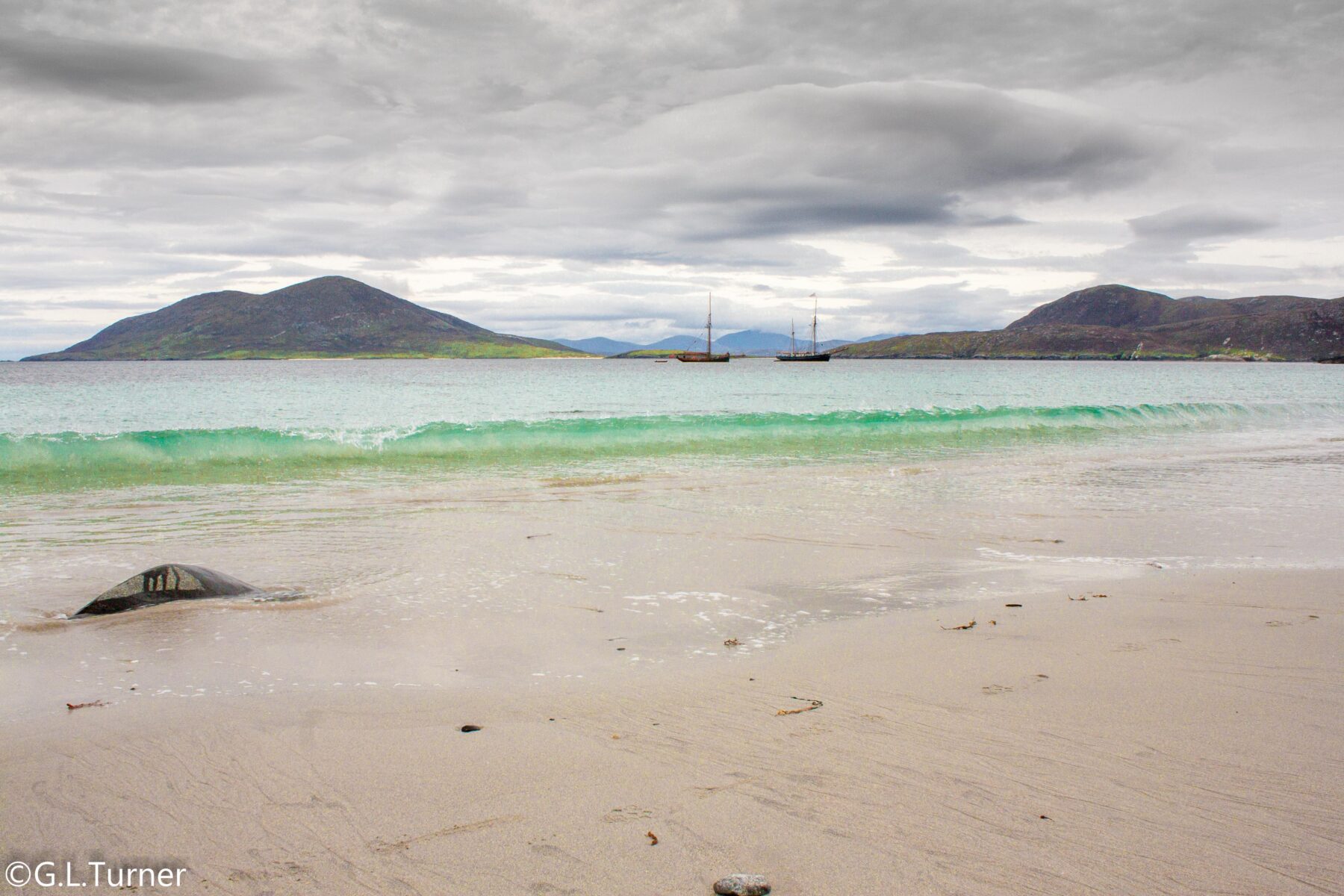
Climb aboard Bessie Ellen to discover the Outer Hebrides, Mingulay and the far-flung St Kilda, a UNESCO World Heritage site.
The Outer Hebrides and St Kilda
Overview
To undertake a voyage to one of the most remote archipelagos in Europe, and a World Heritage Site, under sail is absolutely the best kind of adventure. It\’s the chance to leave our fast paced modern world behind and lose ourselves in the lands where the winds, tides and swells reign supreme.
Voyage Description
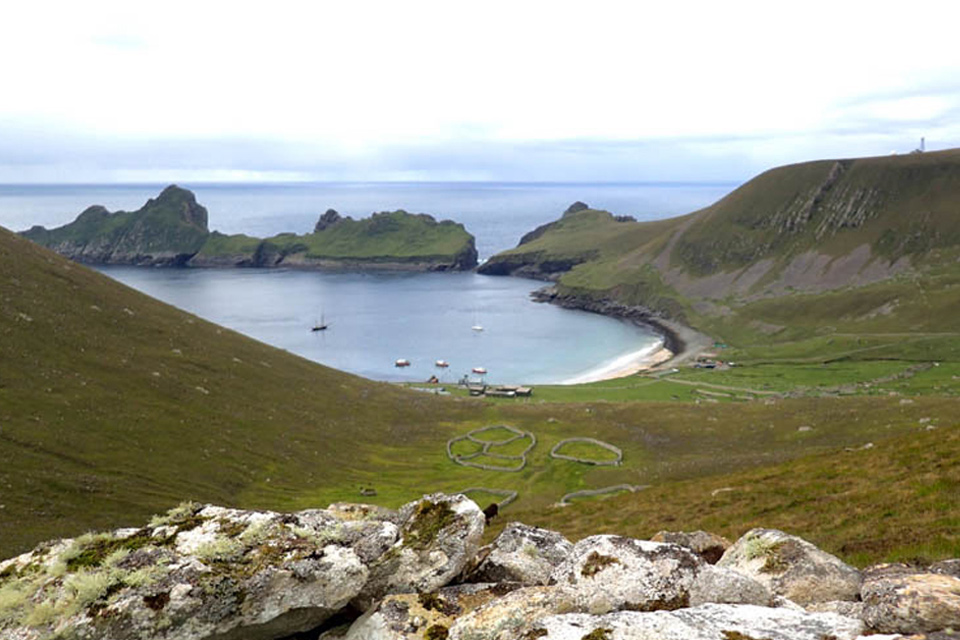
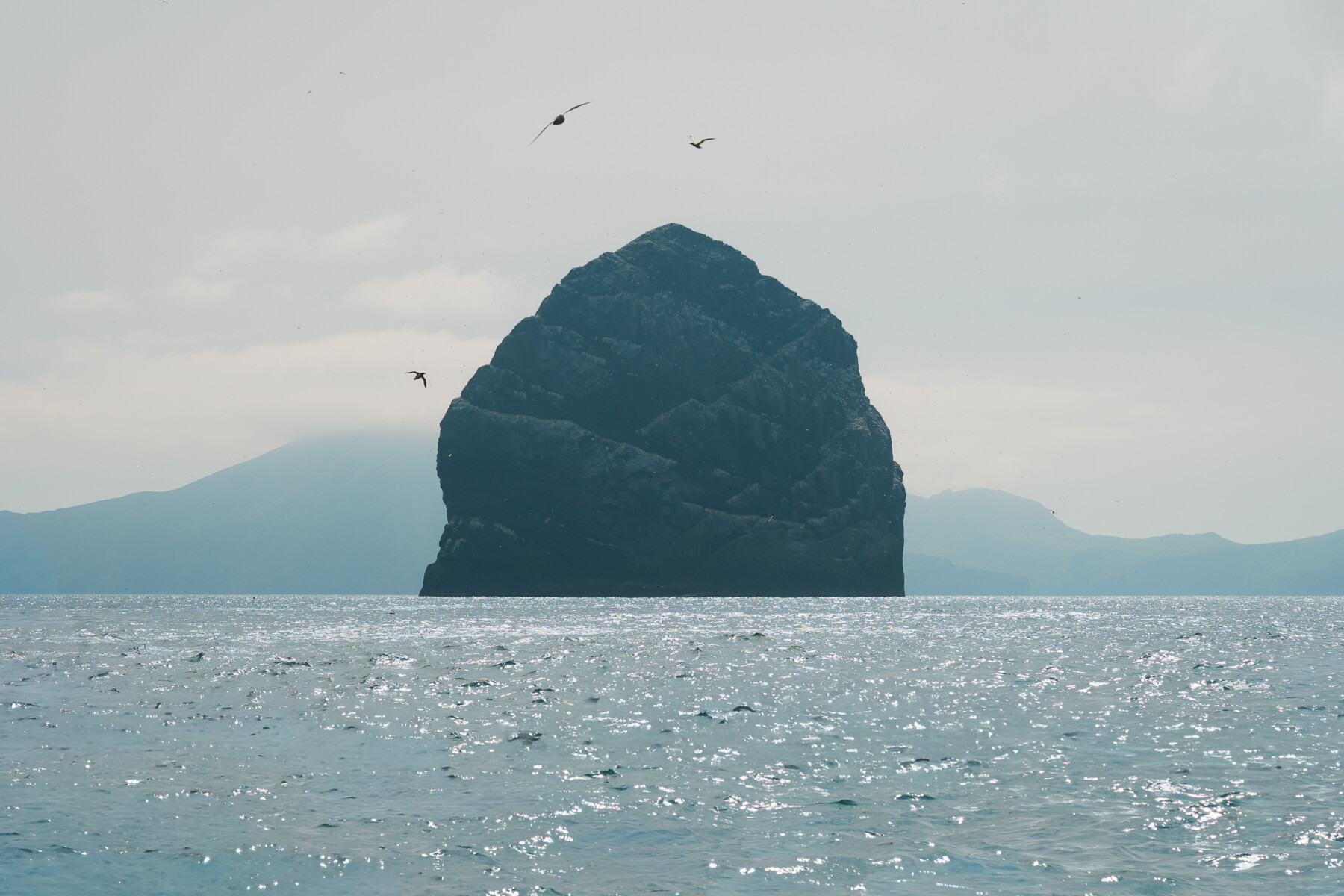
Lying in the north Atlantic Ocean, 42 miles off the west coast of Scotland, the St Kilda archipelago is shrouded in myths and legends. Only accessible by boat, St Kilda was last inhabited by humans in 1930, and today is a UNESCO World Heritage Site. Named the \’islands at the edge of the world\’, St Kilda is remote, far flung and blissfully untamed. The isles are home to over a million nesting seabirds, including the rare Leach’s storm petrel, which is thriving here thanks to the isolation.
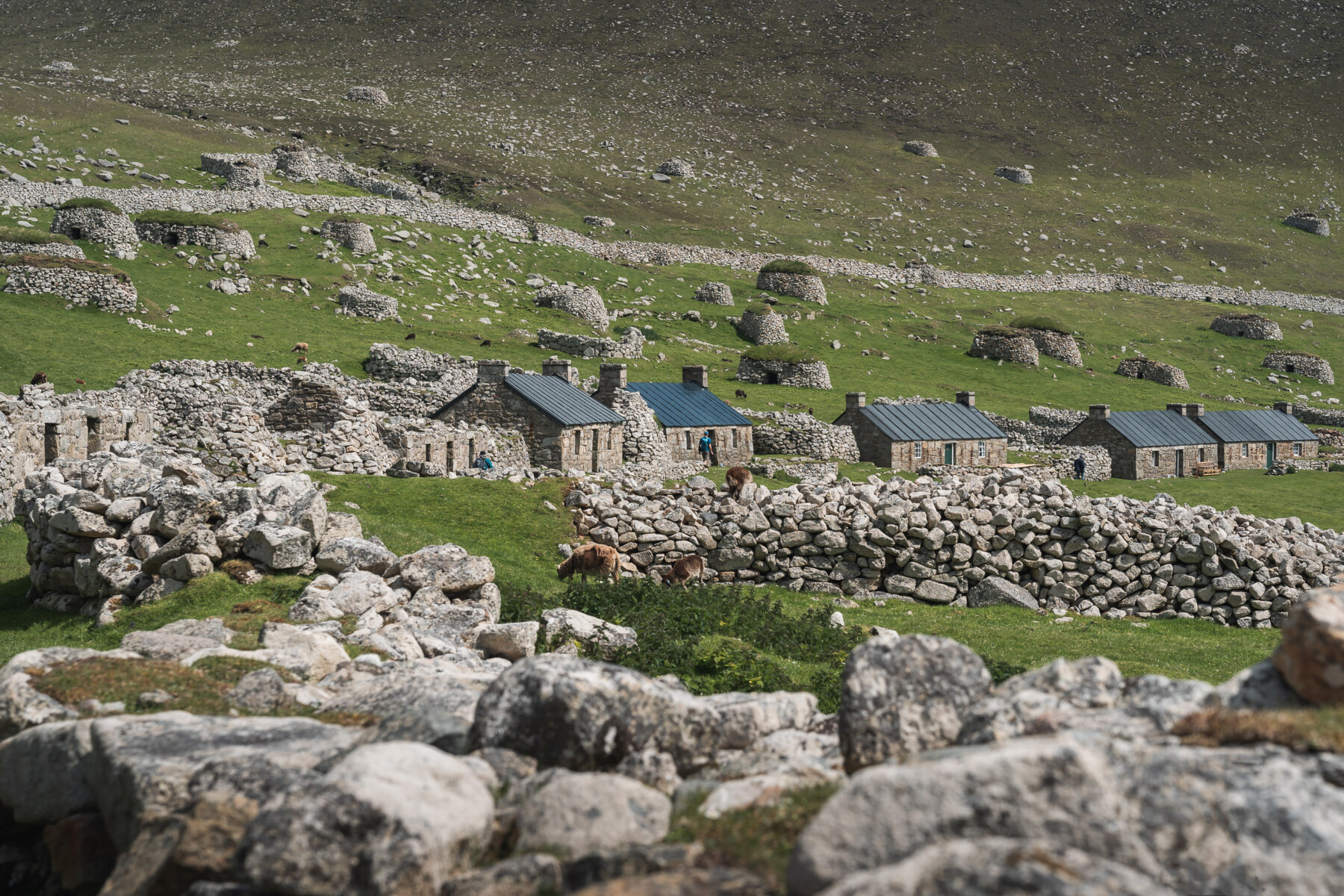
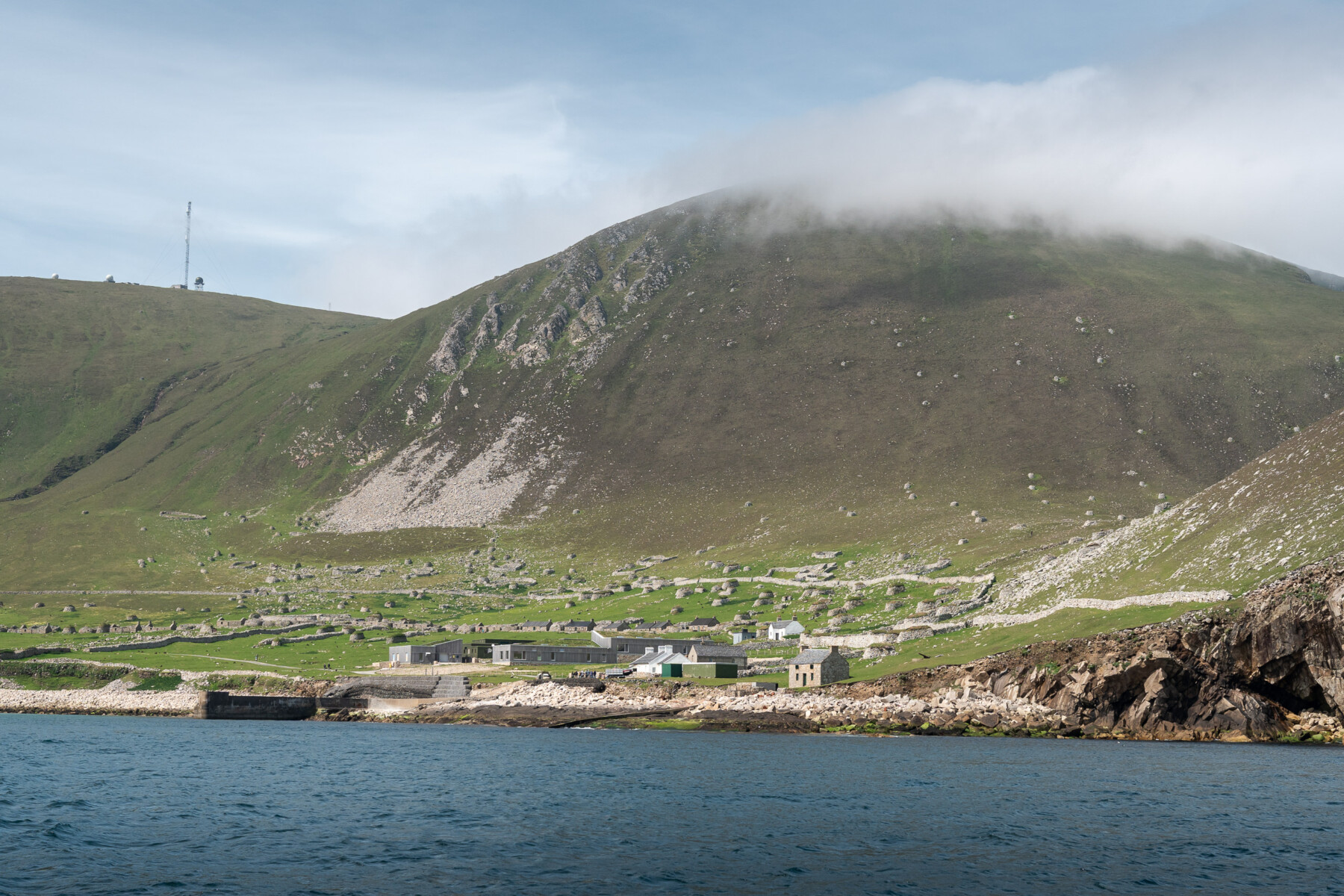
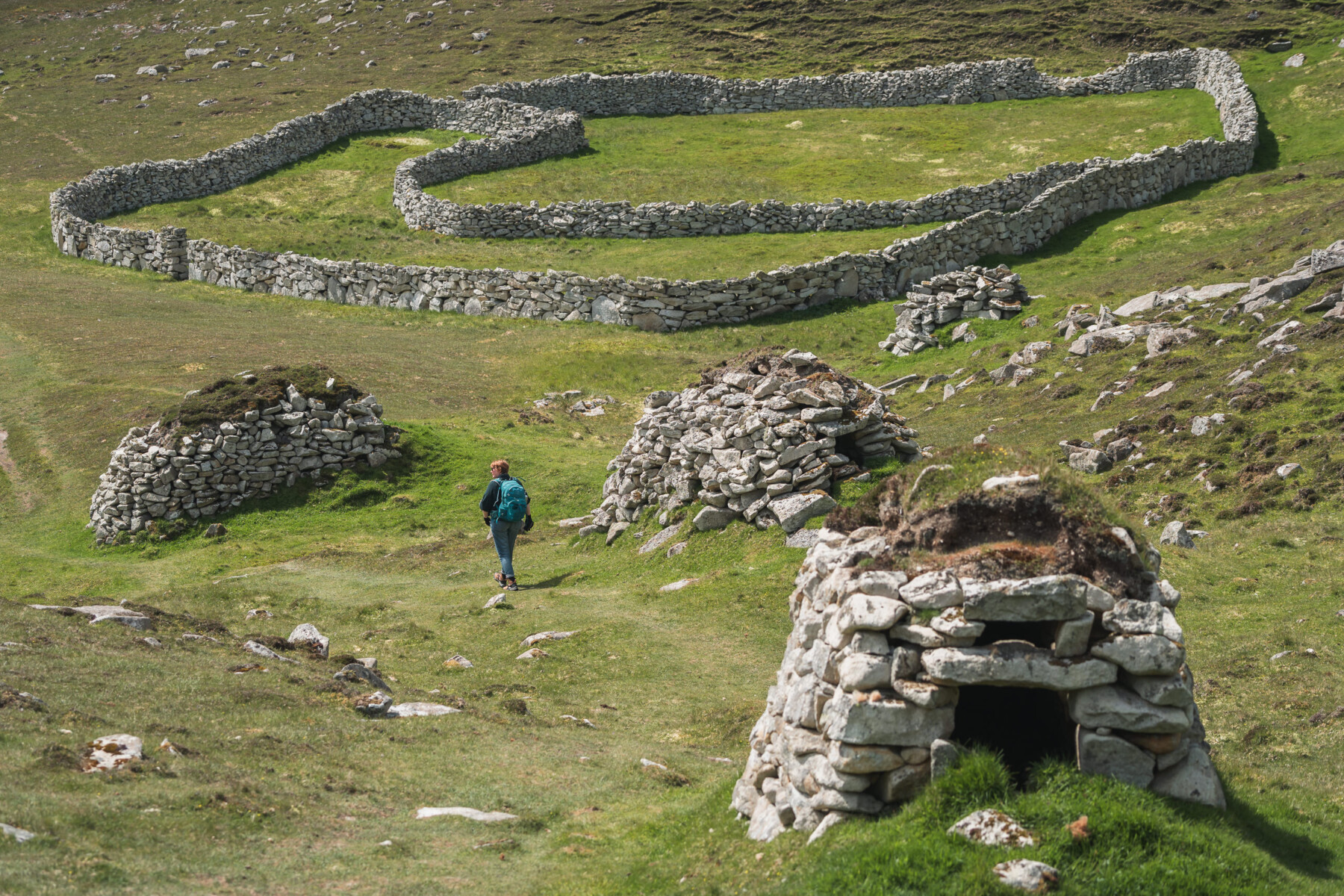
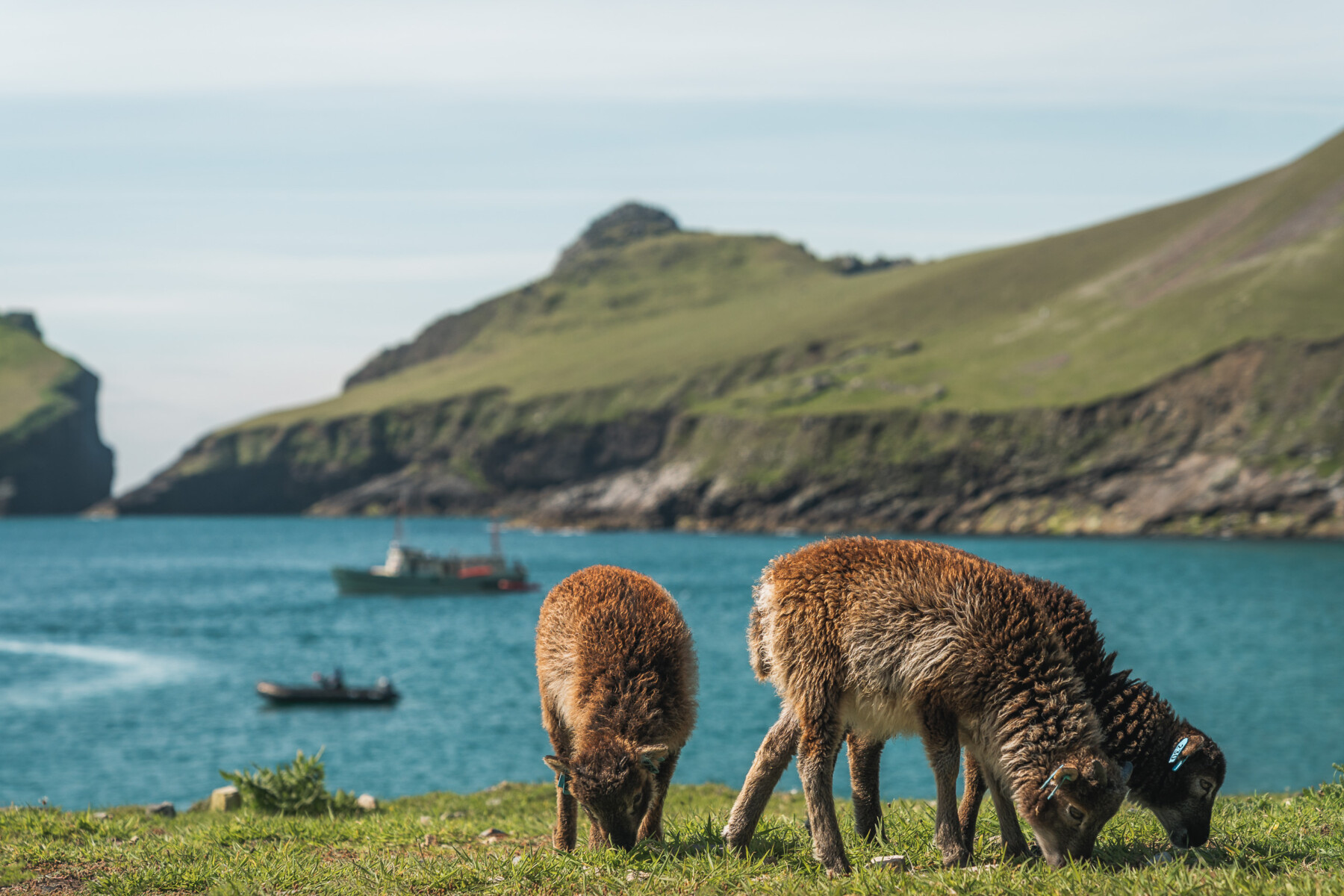
Managed by the National Trust for Scotland, it is possible to step ashore to explore the main island, Hirta. Beginning your adventure in Village Bay, the main settlement on the island of Hirta, take time to tour the museum and church, which provide an insight into the fascinating history of the islands along with collections of pottery, textiles, agricultural equipment and personal items. From here you can choose to walk one of the many trails which stretch across the island, ascending above the village offers a view back to the ruins of the former residents homes whilst continuing up to \’the gap\’ will take your breath away. For it is here that the gentle, grassy hills end at the edge of a sheer cliff, plummeting 150metres in to the sea below.
As with all of Bessie\’s voyage, the experience is a “hands on” adventure, taking us where the wind blows so we can make the best of the forecasts. Voyaging out to St Kilda allows us to experience the lands and lochs around the Western Isles, home to some of the most inspiring landscapes in the world.
Note: Lying 40 nautical miles off the Outer Hebrides, St Kilda can be notoriously difficult to reach. Atlantic swells and contrary winds mean that it is not always possible to make the passage, plus we know that anchoring and landing can be tricky and at times uncomfortable. However, when the forecasts are good, the islands are as spectacular as any and worth the wait to get there.
Wildlife
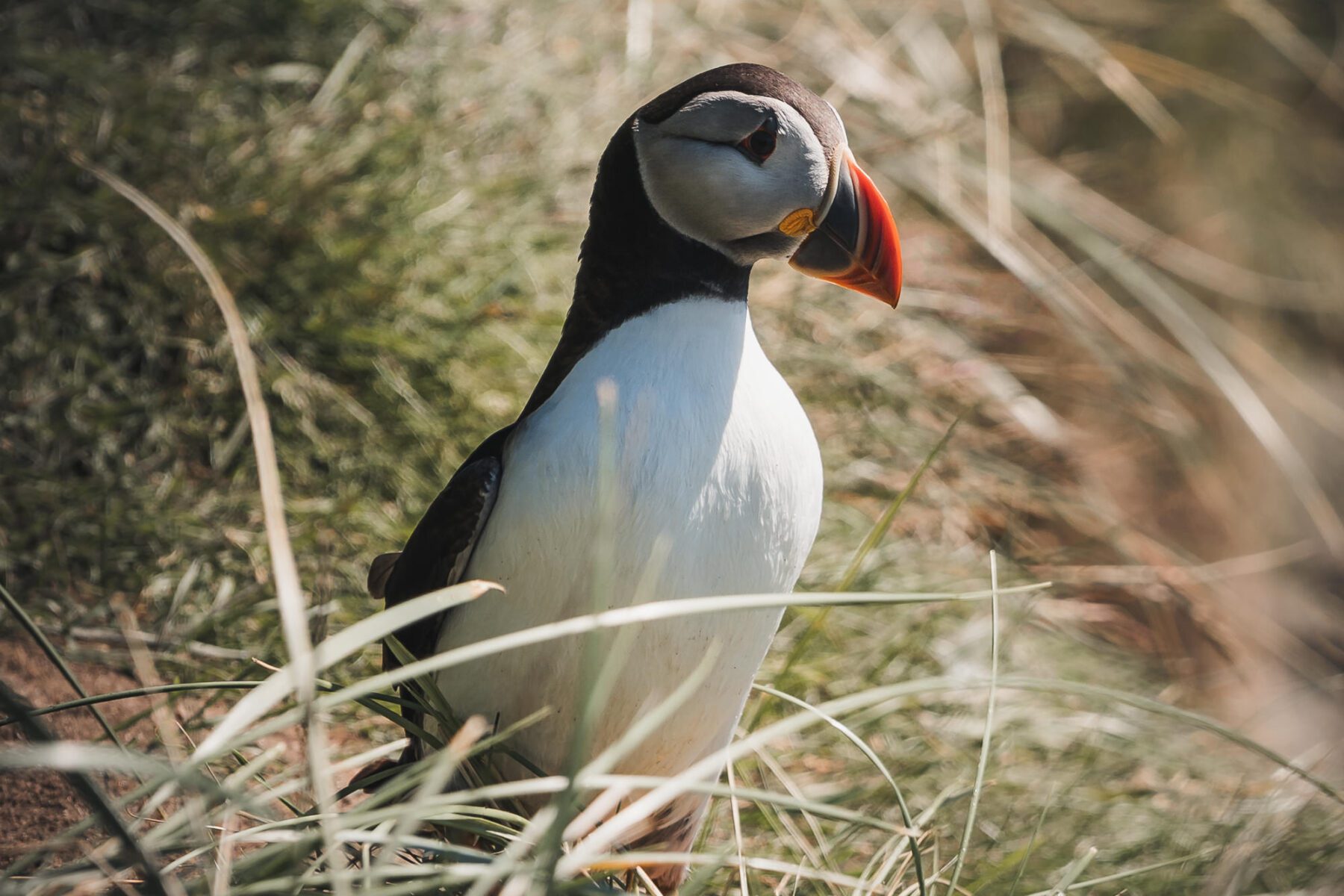
St Kilda is a haven for seabirds including gannet, puffins, fulmars, kittiwakes, and razorbills.
The islands are also one of the few places in the world where the rare Leach’s storm petrel breeds, as well as the aptly named St Kilda Wren, a native species, known for its distinctive appearance and song and only found on the archipelago, making it truly a once in a lifetime birdwatching opportunity.
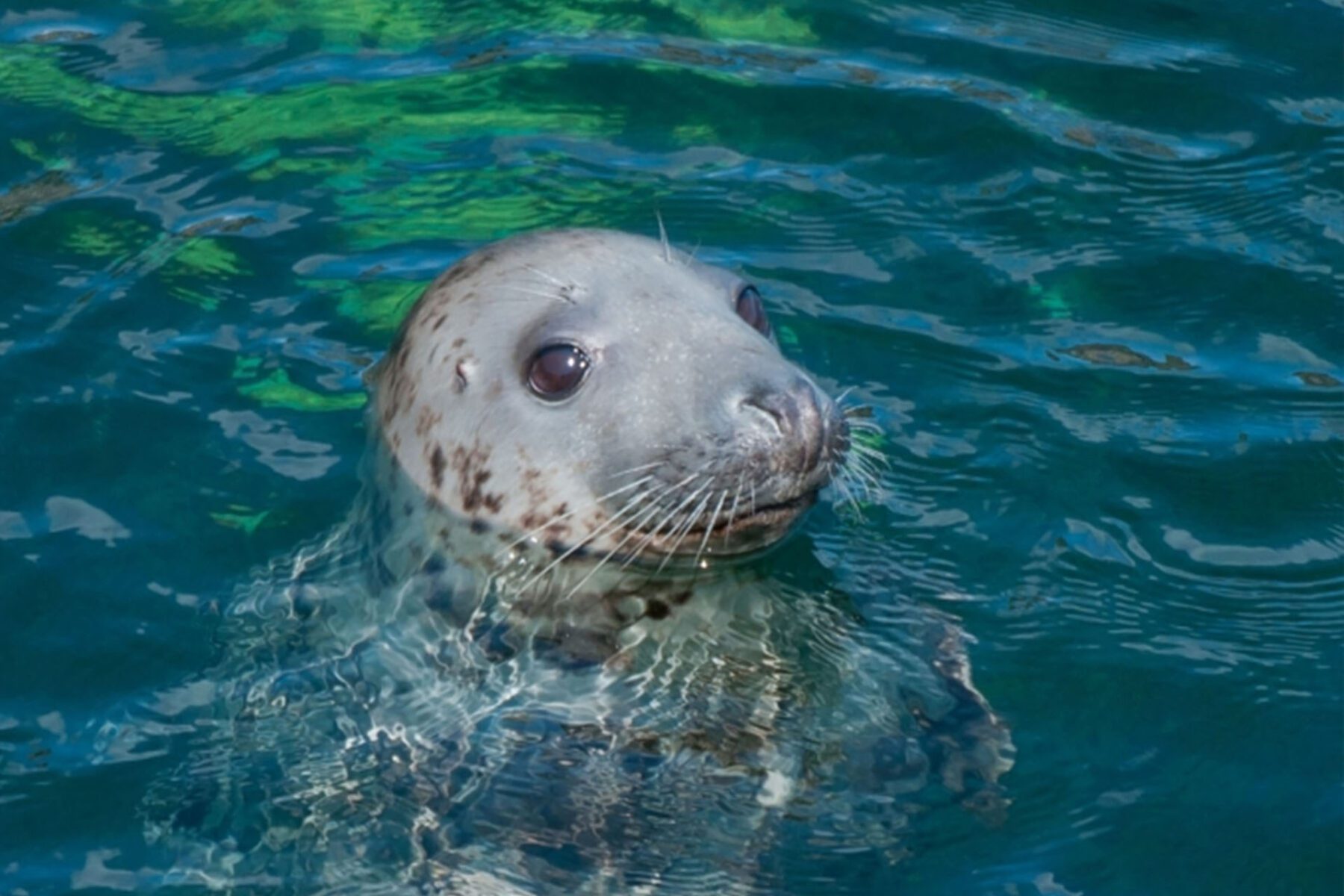
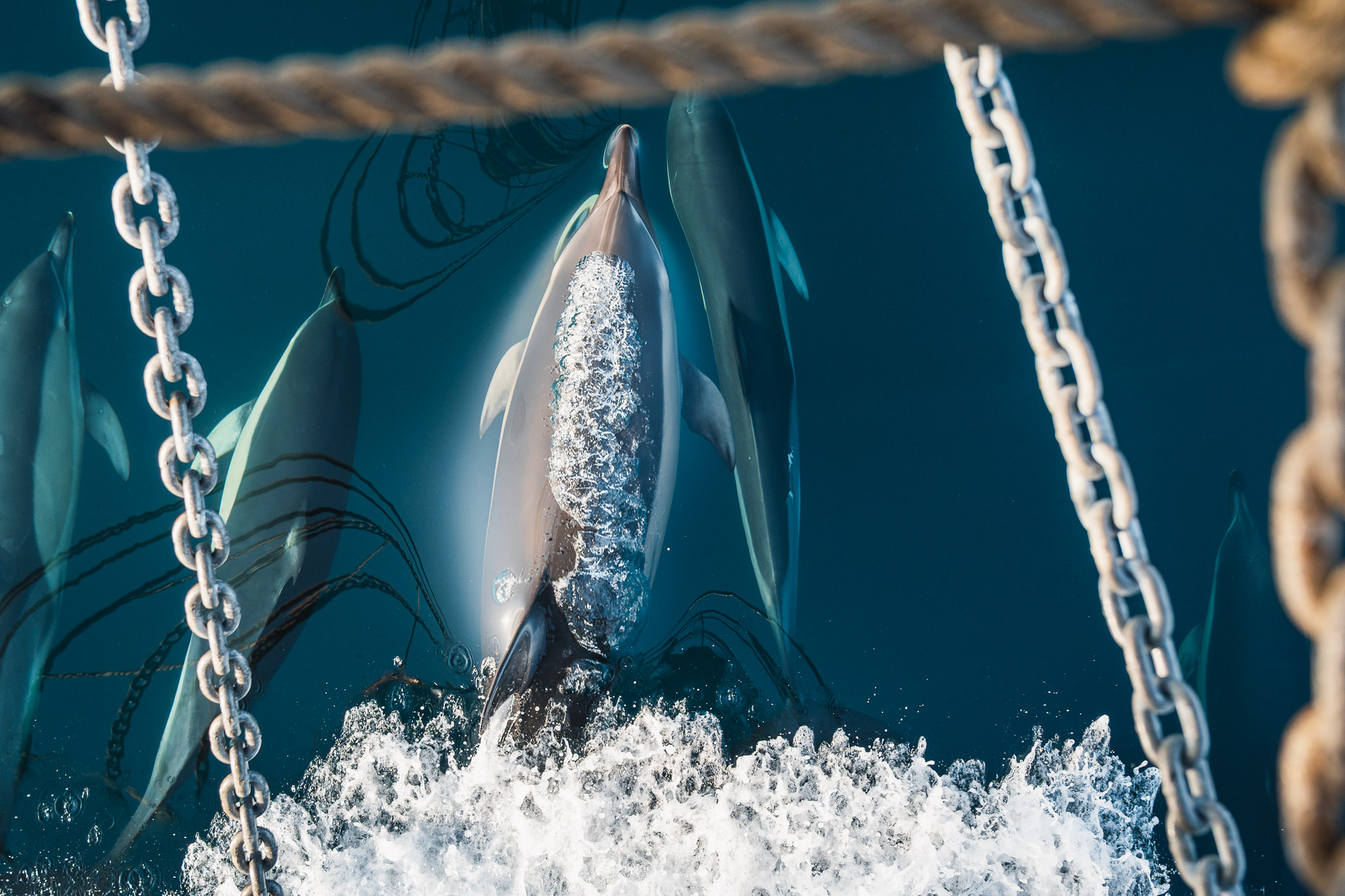
The waters surrounding St Kilda are nutrient rich and as such, theya re teeming with marine wildlife. Whales and dolphins are regularly spotted as we sail across from the Outer Hebrides so keep your binoculars handy because it\’s not uncommon to see migratory pods of minke and killer whales, as well as friendly pods of dolphins who love to swim at the bowsprit!
Useful Information
Where to Stay
Mallaig has plenty of accommodation available from the Mission bunk house to the gastropub Crab and Creel plus some high end hotels but please do book early as Mallaig is a very popular tourist and departure town for the Highlands and Islands.
Useful Contacts
Ships Mobile: 0044 (0) 7800825382
Mallaig Harbour: 01687462 154
Venturesail 24 hour line: 0044 (0)7804 472592
How to Get There
By Rail: Queen Street Station, Glasgow. Train links from all over UK. Glasgow – Fort William runs scheduled trains in summer. From Fort William you can take a connecting train to Mallaig. To make your journey more special why not take the famous Jacobite Steam Train (as featured in Harry Potter).
Fly: From Bristol, London Gatwick, Stanstead, Luton, BirminghamUnited Kingdom, Belfast City, Cardiff East Midland, Exeter, Leeds, Bradford, Manchester, Norwich and Southampton.
There is parking space in Mallaig if you arrive by car.
Please note that you will need to arrange your own travel insurance, which covers you for the duration of your voyage. We recommend Topsail Insurance, which offers single policies from about £20.