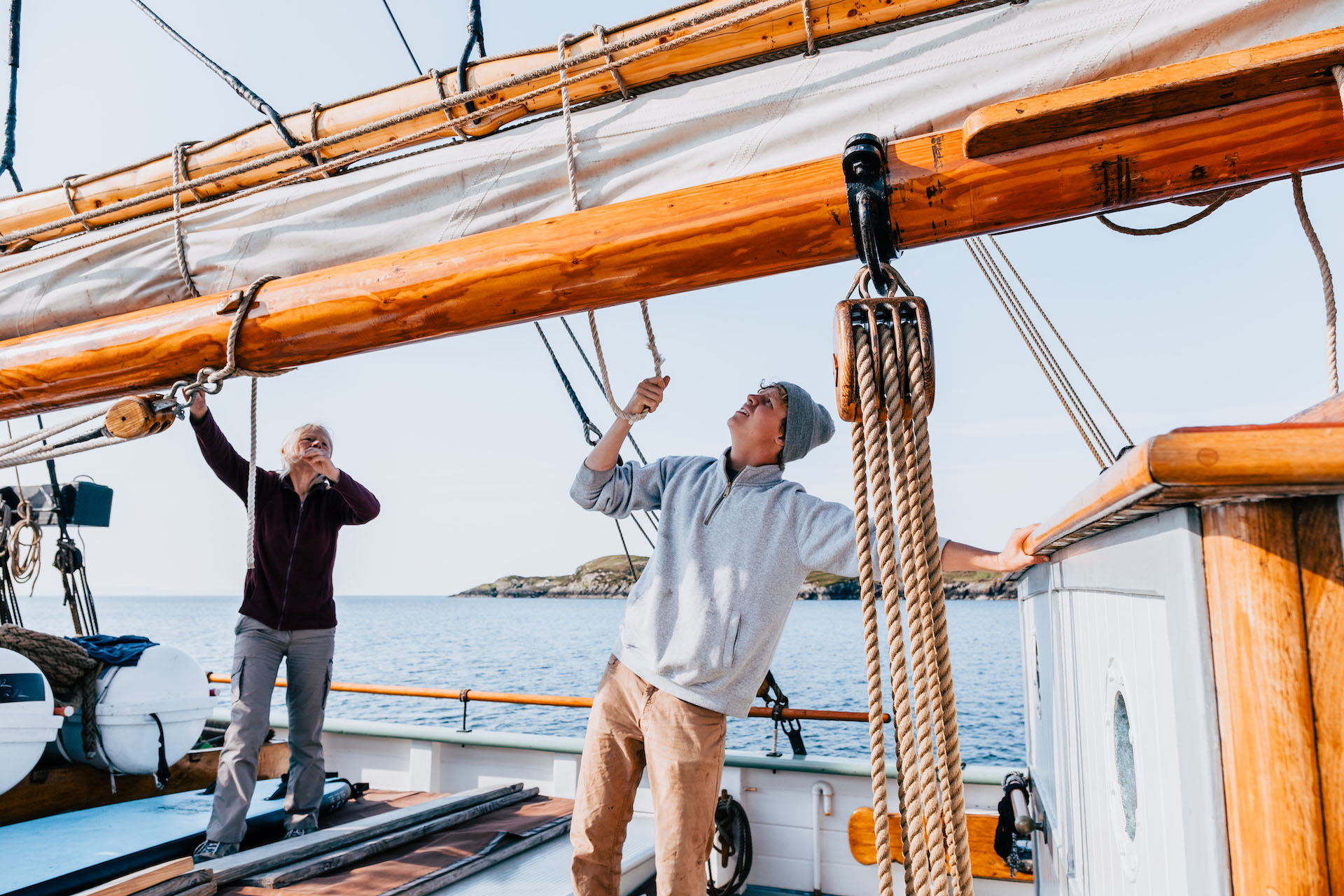
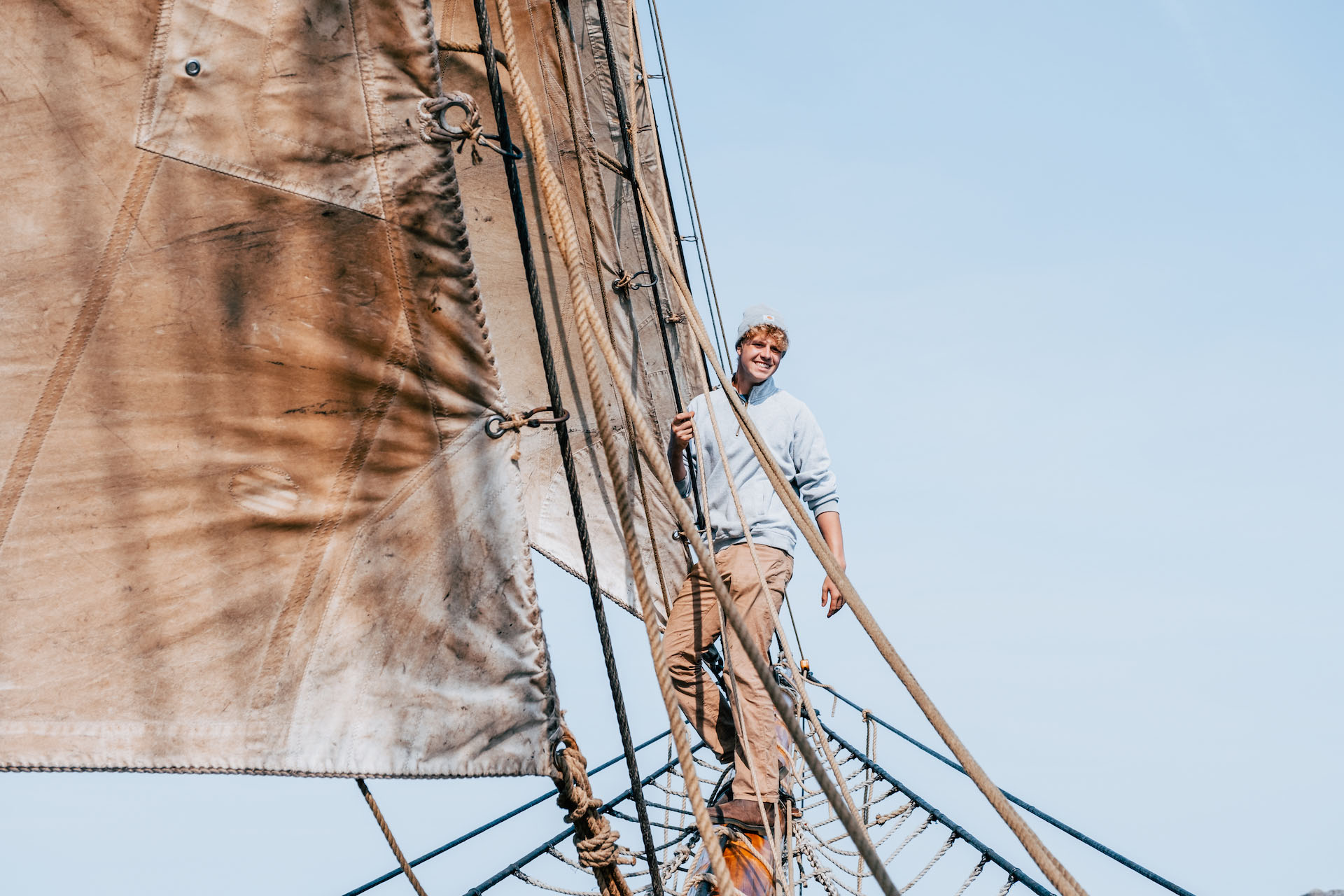
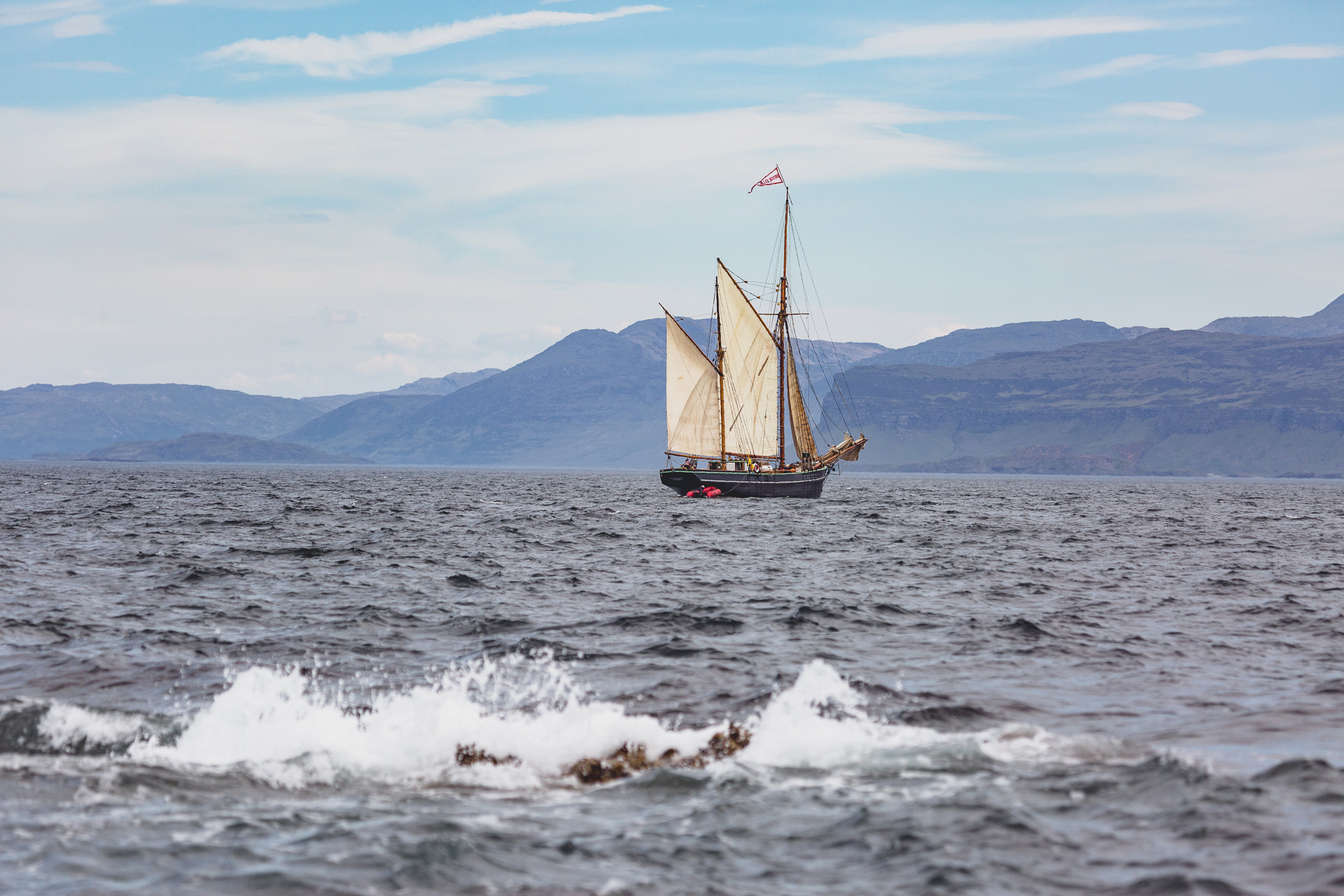
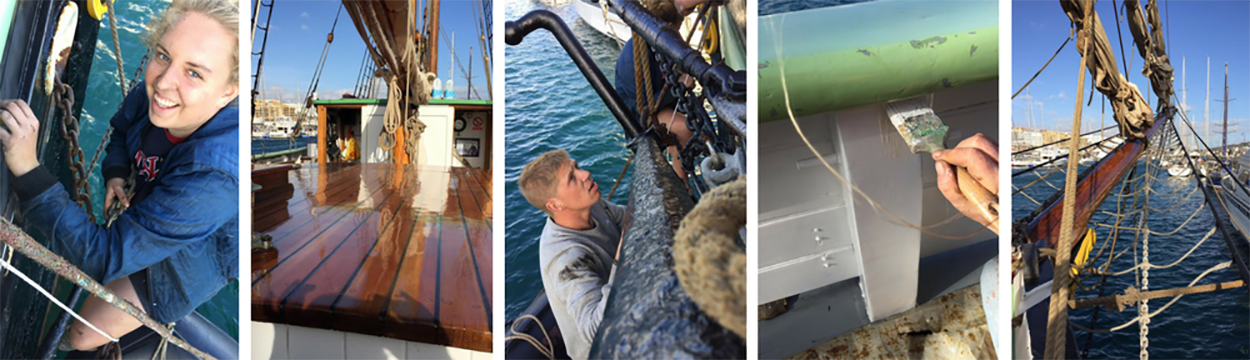
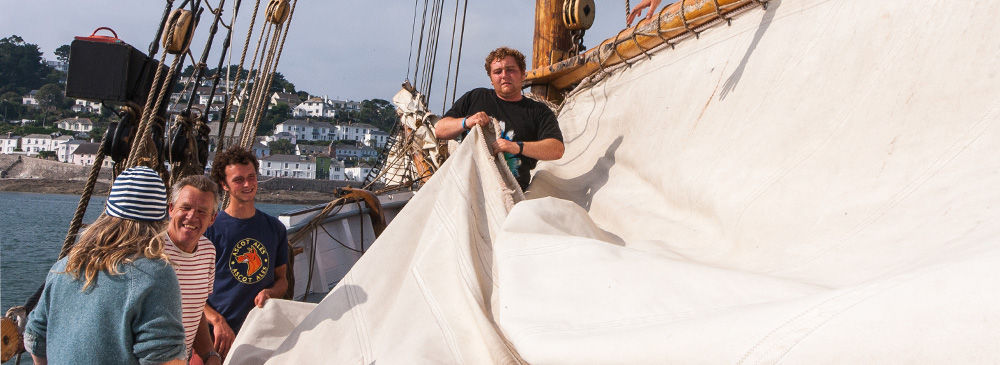
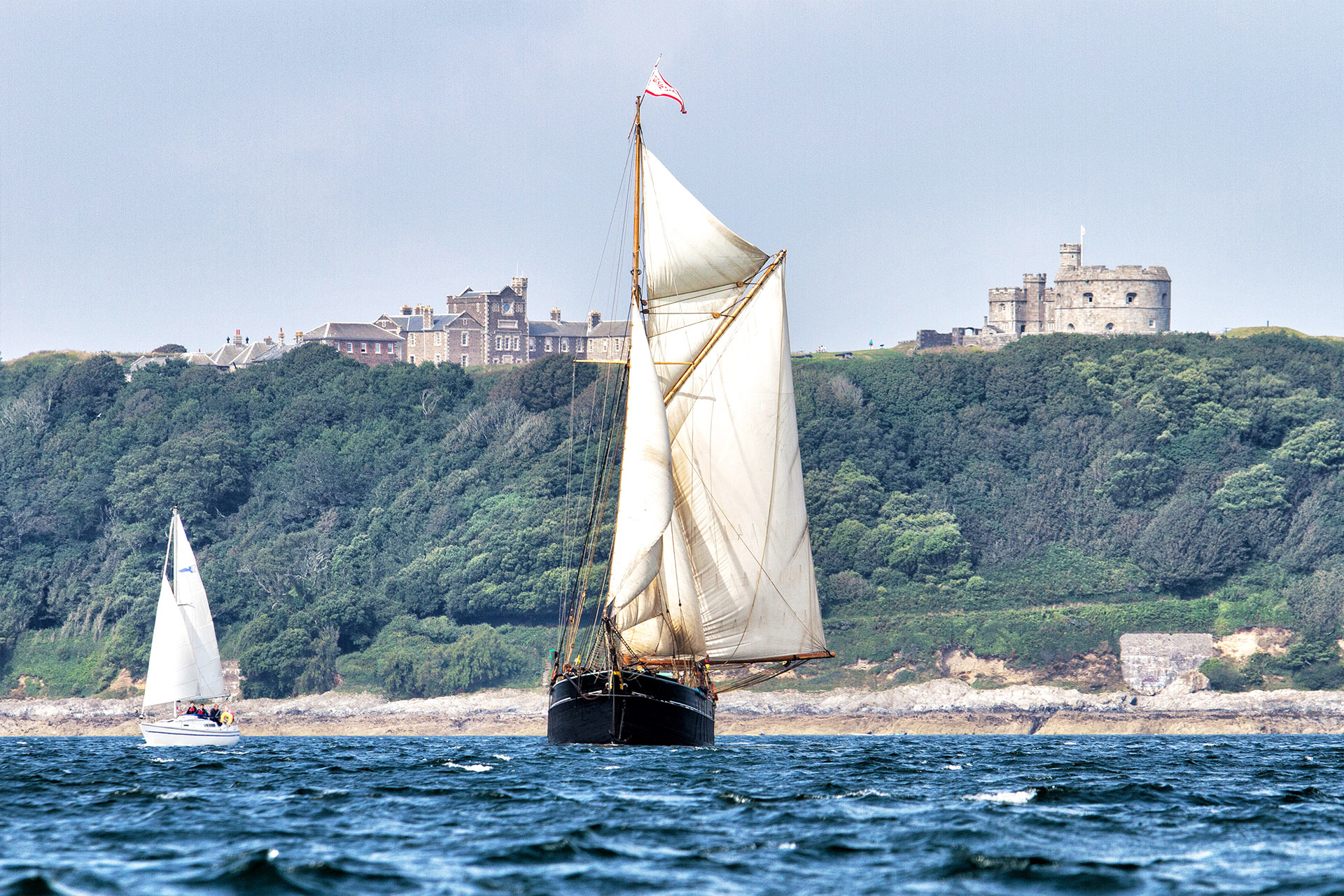
On the 27th of February on Channel 5, Bessie Ellen will feature in the final episode of James May’s Great Explorers as he gets to grips with how Cook was able to survey and draft the coastlines of New Zealand and Australia.

Captain James Cook’s sailing career started as a simple merchant seaman apprentice from the port of Whitby, where he learned his trade in colliers, or coal ships, trading up and down the North Sea coast between London and the Tyne.  A diligent student, he studied navigation and astronomy before taking command himself as master.  In 1755, he volunteered for the Navy, starting off as an A/B, and within two years, he was commanding his own vessel as master, notably HMS Pembroke, to which he was assigned various challenges during the seven years of war in North America. During this time, he excelled at surveying and cartography and was, therefore, justly given the task of surveying the coast of newfound land.  This project, which took him over five years to complete, produced the 1st scientific hydrographic surveys using precise triangulation to establish a coastal outline.

His cartography was so exceptional it brought him to the attention of the Admiralty, who commissioned him to sail to the Pacific Ocean and map the transit of Venus to establish the distance between The Earth and The Sun as only part of the scientific calculations. It was at this time he was trusted with his beloved Collier endeavour, which he chose as the most seaworthy type of vessel to undertake such a voyage, and it is, of course, this ship that is synonymous with Cook’s name.

After making his observations Cook left Tahiti and sailed for NZ and Australia, at that time known as ‘Terror Australis. He became the first noted European to land on the shores and it was during this time that he began his surveying of NZ. 

His long and detailed career let him to cross every ocean from East to West, including Arctic waters and Antarctic. He never lost a man due to sickness and scurvy and was a great believer in nutrition (especially vitamin C) mostly in the form of salt cabbage and lemons and is how we  Brits get the name of Limeys from.

In 1779, Cook undertook what was to become his last and final voyage, mapping the western seaboard of the United States and up to the Bering Straits. He returned to Hawaii for food and water and rest for his crew. Cook had frequently stopped in these islands and was well-liked and honoured each time he visited. He had good trade relationships and was mindful of Hawaiian customs. This being said it was to become the place of his murder, a tragic end to such a great captain, scientist and humanitarian.

There is so much more of Captain Cook’s life to tell, but it is through my admiration of him that my career at sea started at all. From the moment I joined my first ship, way back in 1990 in Auckland, New Zealand, to now – sailing Bessie Ellen in the Carrick roads off Falmouth, with no less than another great man, James May, who is here to discuss the merits and techniques of Cooks navigational methods. So grab the opportunity and join me to learn more of his story on Channel 5, for the final episode of three great explorers culminating with Captain James Cook.
A Rum Story

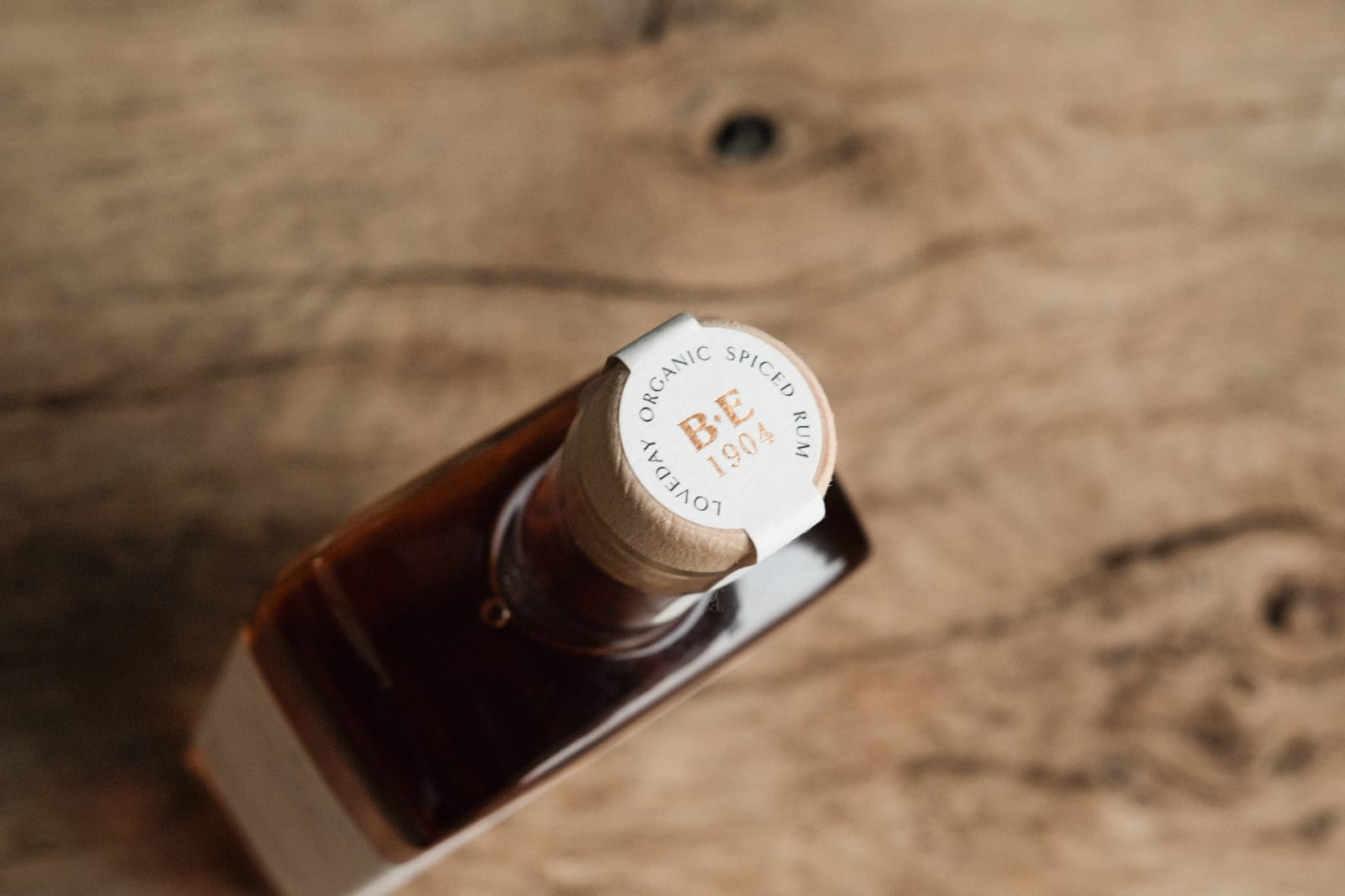
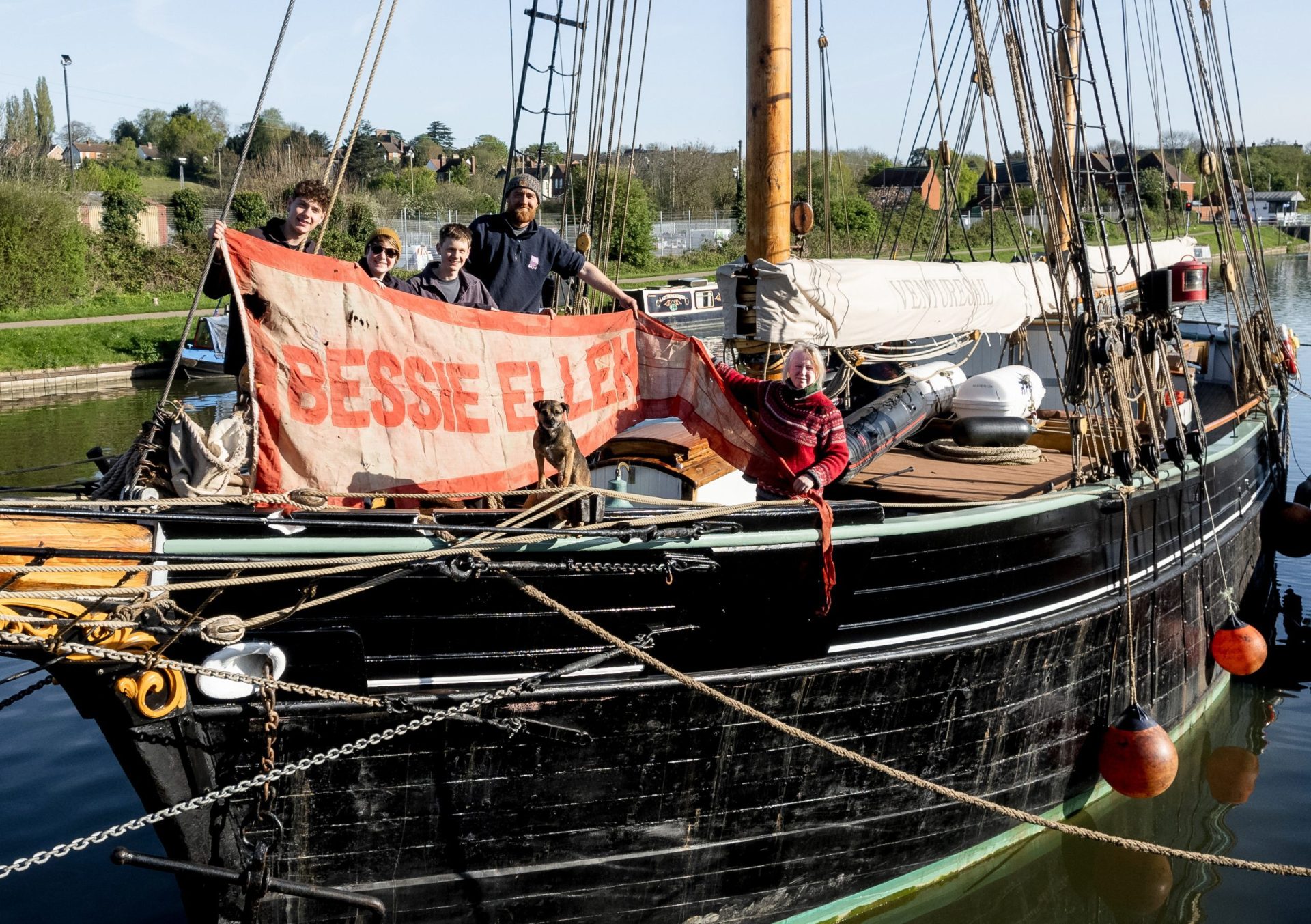
It is well known to us sailors and seafaring folk that we all like  a tot of rum sometimes and as next year is the celebration of Bessie Ellen’s 120 years, I have teamed up with an old friend to bring you a special edition Cornish Rum. Many of you who have sailed with us in[…]

Run Away to Sea

Calling all 18 – 25’s! Are you looking for adventure before heading back to your studies. If so then consider a life away from it all, ocean passages are where its at before knuckling down to the uni year. Bessie Ellen is heading off across the Bay of Biscay for a 10 day passage to[…]

A Sailors Voyage: Fowey to Oban

Written by crew member Morag Bruce. Our adventure began on a beautiful sunny day in Fowey, with final preparations for the journey north being made, and guests beginning to arrive. We set sail as we left the harbour, with everyone in good spirits, and for those amongst us unfamiliar with night watches and long passages,[…]

My Top Spring Highlights

The clocks change and the pace of life on board also moves at a faster pace. The crew are now becoming a team,  working well together after the long winter in the dock. Final flourishes of paint are set about the bulwarks, sails come out of covers to be bent on the traditional way, lines[…]

Crew Job Listing

Bessie Ellen – Mates Required Closing Date: Friday 16 December Bessie Ellen requires two mates for the 2023 sailing season including Scotland and Cornwall.   Predominantly charter work, there will also be options for cargo sailing in the later part of the year. Start Date:  1st February 2023 Gloucester Docks End Date:  Late October 2023[…]